
Early Life & Foundations
Raymond Clark Kennedy(October 23, 1928 – July 29, 1999) was a distinguished American newspaper publisher, banker, entrepreneur, civic leader, and philanthropist whose life and work profoundly shaped Hudson, New York, the Hudson River Valley, and the institutions he served. A man of vision, discipline, and quiet authority, Kennedy combined deep respect for tradition with an instinct for innovation. His leadership touched journalism, finance, education, healthcare, historic preservation, and charitable giving, leaving a legacy of stewardship that endures to this day.
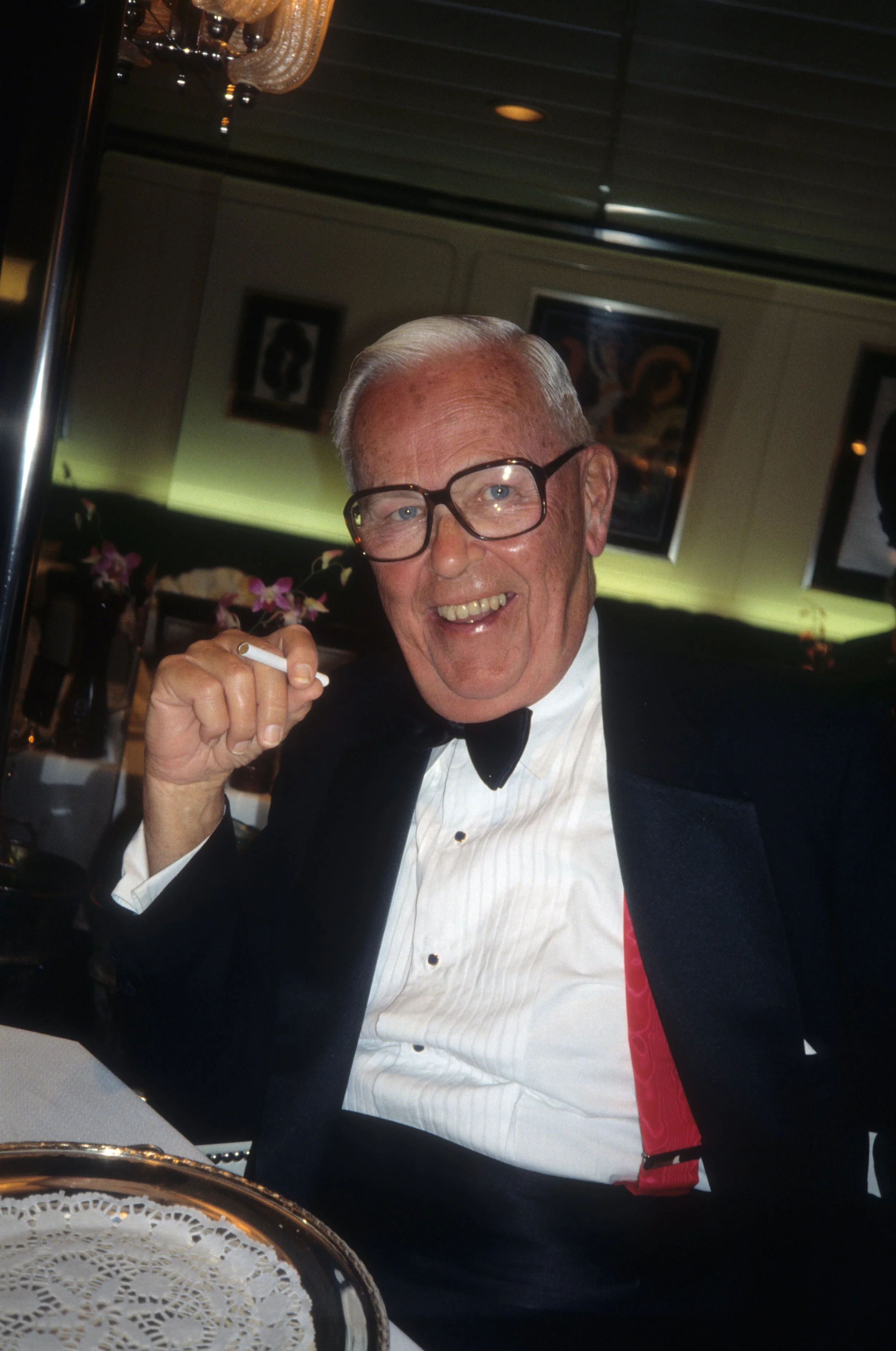
Early Family Life and Formulative Years
Raymond Clark Kennedy was born on October 23, 1928, the son of Raymond and Laura Kennedy. His childhood was marked by a defining loss when his father died while Ray was just 14 years old, an experience that instilled in him an early sense of responsibility, resilience, and maturity that would characterize his life.
Ray was a lifelong resident of 41 West Court Street in Hudson, NY, the family home where he lived from birth until his death. Though Hudson remained his permanent anchor, he also maintained a winter beachfront home in Fort Lauderdale, Florida, reflecting both personal preference and the geographic breadth of his later business interests.
He was educated locally, graduating from St. Mary’s Academy in Hudson in 1946, and remained deeply connected to the institution and parish throughout his life. Ray was a lifelong communicant and generous financial supporter of St. Mary’s Roman Catholic Parish, reflecting a faith that quietly informed his sense of duty, humility, and service.
Ray continued his education at Georgetown University in Washington, D.C., graduating in 1950. Georgetown’s emphasis on intellectual rigor, ethical leadership, and public responsibility left a lasting imprint on him and reinforced values he carried into every professional and civic role he later assumed.
Military Service
Following his graduation from Georgetown, Ray enlisted in the United States Army, serving as an artillery officer during the early years of the Cold War. He was honorably discharged in 1954.
Though characteristically modest about his military experience, those who knew him well recognized that the discipline, command presence, and decisiveness that defined his leadership style were forged in part during his years of service.